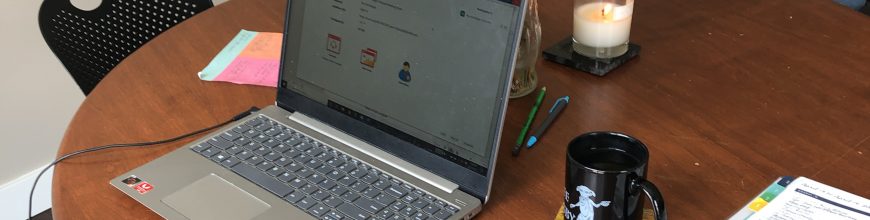
Today I thought I would take the time to tell you how I think this blog is doing and to ask for feedback from you, my readers, without whom this blog would be nothing but the digital equivalent of a secret diary hidden under my mattress. A couple things prompted me to do this. For one thing, it’s been about a year since I implemented my weekly (usually Monday, sometimes Tuesday) post–before that, I was writing whenever I felt like it, and sometimes months would go by before you heard anything from me. Another reason I wanted to stop and assess the blog this week is that I heard from some people yesterday who either mentioned a specific post they had enjoyed or indicated they knew something about the style of my blog–people I had no idea were reading it. So that made me curious as to how many “silent” readers I have out there and what they’re thinking.
Let’s start with the weekly post thing. I began this practice as part of a larger discipline of writing something (anything–could be a PowerPoint presentation for a class or a sketch of one of my screenplay ideas) for 30 minutes each weekday afternoon, which was inspired by the class on spiritual disciplines in the workplace that I audited last summer at Regent College. (See below for a link to the series of posts I wrote following the course.) Besides the fact that I’m now posting every week, another thing this practice changed about my blog is that my posts are now limited to what I can write within half an hour, which–I think–is keeping them to a manageable length, in contrast to the marathon posts that I used to write. But, with the emphasis on actually writing for 30 minutes, I’m including fewer pictures, videos, and external links in my posts. What do you think about all this? Am I posting too often/not often enough? Have my posts been too short lately, or are they still too long? Would you like me to shut up occasionally and direct you to other people’s work (through the aforementioned pictures, videos, and links)?
I would also like your feedback about the topics I write about. My blog has always been, unapologetically, about a wide variety of topics. I know that I’d probably get a bigger readership and more mentions on the web if I focused in on a niche, like travel or home decor (or even something that I actually know a lot about, like Harry Potter), but I’m not trying to get famous or make money through my blog. Although, as I hope this post attests, I do care very much about my readers, my blog is just as much a vehicle for me to process what I’m thinking and learning. So I’m not sorry for writing a string of posts recently about The Godfather, even though most of you–at least those who are talking to me–don’t care about the Corleones (and, I still maintain, don’t know what you’re missing). But I do want to know which topics you’d like to see more of–and what topics I haven’t addressed that you’d be interested in reading about. Anecdotally, it seems that some of my most popular posts have been the confessional, gut-spilling ones where I let you snoop into the embarrassing parts of my interior life, usually through the screen of humor. But I know that many of you also share my love of music, movies, and TV, and so you prefer posts on those topics. Let me know what you think. I will take your suggestions seriously, and I’ll write about pretty much anything that I know something about (and maybe even some things I know nothing about!).
In closing, let me share what I think have been some of the highlights of this past year on penelopeclearwater:
- Here is the first of the series I wrote following the class on spiritual disciplines. The series continued through July and August 2016–check out the archives.
- There was a lot of excitement on my blog leading up to and following the release of Fantastic Beasts and Where to Find Them.
- This post from a few weeks ago–which was both a confessional post and a music post–got a lot of good feedback.
 the Dr. Tess blog